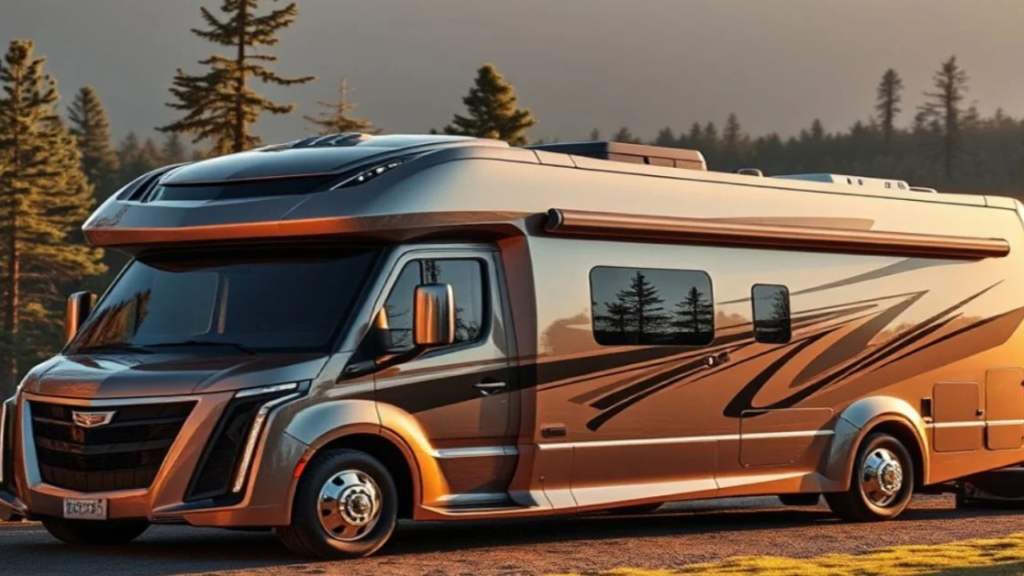
The automotive landscape is witnessing a seismic shift as Kia officially enters the recreational vehicle market with its highly anticipated 2026 Kia Camper Van. Known for disrupting segments with high-value propositions, Kia’s foray into the “van life” culture is centered around the PV5 platform—a modular, all-electric foundation designed to bring luxury and mobility to a much broader audience. With a starting price point whispered to be around the $20,000 mark, this vehicle isn’t just a new car; it’s a direct challenge to the often-overpriced RV industry, promising a blend of sleek Korean design and off-grid utility.
A New Era of Modular Design
The heart of the 2026 Kia Camper Van lies in its Platform Beyond Vehicle (PBV) technology. Unlike traditional RVs that are built as a single, static unit, the PV5 utilizes a “Life Module” system. This allows the upper body of the van to be swapped or reconfigured using a combination of mechanical couplings and electromagnetic points. For the camper version, this means a high-roof design that maximizes vertical space, allowing even tall adults to stand comfortably. The exterior aesthetic moves away from the bulky, boxy look of classic motorhomes, opting instead for a futuristic “Tiger Face” front fascia and smooth, aerodynamic lines that improve efficiency and range.
Luxury Interior and Smart Space Optimization
Despite its compact footprint, the interior of the 2026 Kia Camper Van is a masterclass in ergonomics. Kia has leveraged its partnership with modular furniture designers to create a cabin that transforms from a mobile office to a cozy bedroom in seconds. High-quality, sustainable materials—such as recycled PET fabrics and bio-polyurethane—line the cabin, giving it a premium feel without the environmental guilt. The “luxury” tag comes from the integration of a 12.9-inch infotainment suite running Android Automotive OS, which controls everything from the ambient LED lighting to the temperature of the built-in compact refrigerator and induction cooktop.
Key Specifications and Expected Features
| Feature | Details / Specifications |
| Starting Price | Approx. $20,000 (Base Platform) |
| Powertrain | Fully Electric (E-GMP.S Platform) |
| Battery Options | 51.5 kWh / 71.2 kWh |
| Max Range | Up to 256 Miles (WLTP) |
| Charging Speed | 10% to 80% in ~30 Minutes |
| Seating Capacity | 2 to 5 Passengers (Configurable) |
| Special Tech | V2L (Vehicle-to-Load) for powering appliances |
Electrified Performance and Off-Grid Capability
Powering this modern nomad is an advanced electric drivetrain capable of producing up to 161 horsepower. While it isn’t designed for drag racing, the instant torque of the electric motor makes navigating mountain passes and city traffic effortless. One of the standout features for campers is the Vehicle-to-Load (V2L) capability. This allows the van’s massive battery pack to act as a mobile power station, providing electricity to external equipment like coffee makers, laptops, or even electric grills without the need for a noisy gas generator. This makes the Kia Camper Van a silent, eco-friendly companion for those looking to immerse themselves in nature.
Technology That Enhances the Journey
Safety and connectivity are paramount in the 2026 model. The van is equipped with Kia’s latest DriveWise suite, which includes Highway Driving Assist, Lane Following Assist, and a 360-degree Surround View Monitor—essential for maneuvering a van into tight campsites. Furthermore, the inclusion of “Pet Mode” ensures that if you need to leave your furry friend in the van for a quick supply run, the climate control stays active and a screen message informs passers-by that the animal is safe. The digital cockpit also features a secondary 7.5-inch driver display, ensuring all vital trip data is always within the line of sight.
Why the $20,000 Price Point Matters
The most disruptive element of this launch is the affordability. Historically, a “luxury” camper van conversion could easily exceed $80,000 to $100,000. By utilizing a standardized EV platform and modular assembly, Kia is lowering the barrier to entry for solo travelers, young families, and digital nomads. While the $20,000 base price typically refers to the chassis or basic cargo variant, even with the full camper “module” added, the total cost remains significantly lower than its competitors. This pricing strategy aims to capture the “millennial and Gen Z” market who value experiences and freedom over traditional home ownership.
Future Outlook and Market Impact
As the world shifts toward sustainable travel, the 2026 Kia Camper Van is positioned to be a leader in the e-LCV (Electric Light Commercial Vehicle) space. Following the initial launch of the PV5, Kia plans to introduce larger versions like the PV7, which will offer even more living space for long-term overlanding. For now, the PV5 camper remains the perfect “weekend warrior” vehicle—small enough to park in a standard garage, yet capable enough to take you across the country on a single charge and a few quick-charging stops.

FAQs
Q1. Can the 2026 Kia Camper Van be used for daily driving?
Yes. Due to its compact dimensions (similar to a mid-sized SUV) and agile electric motor, it is designed to handle urban environments and standard parking spots just as well as a regular car.
Q2. How long does it take to charge the battery at a campsite?
Using a standard Level 2 charger (common at many modern RV parks), the van can reach a full charge overnight. On the road, a DC fast charger can replenish the battery from 10% to 80% in roughly 30 minutes.
Q3. Is the $20,000 price for the fully equipped camper?
The $20,000 figure typically represents the starting price for the base electric platform. Adding specialized camper modules, premium interiors, and high-capacity batteries will likely increase the final retail price, though it remains highly competitive.
Disclaimer: The content is intended for informational purposes only. You can check the official sources; our aim is to provide accurate information to all users.