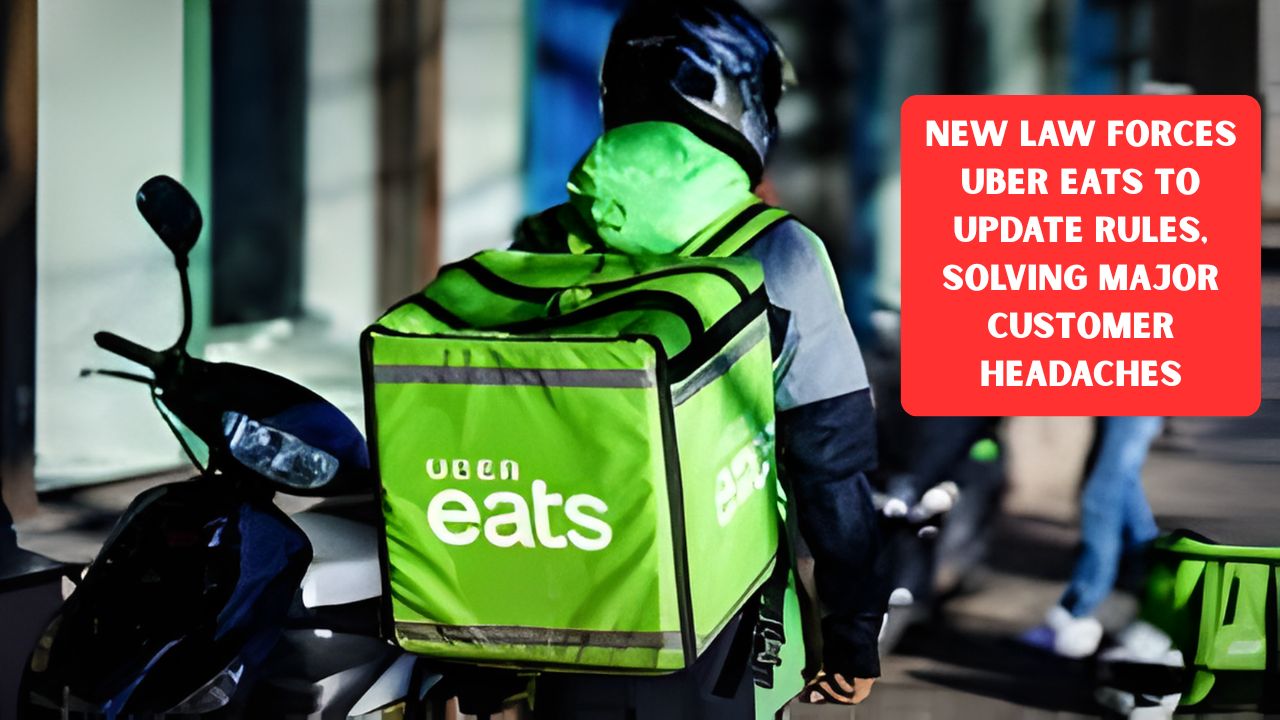
For years, ordering dinner through an app has felt like a gamble. You place an order for a family feast, anxiously track the driver, and finally open the bag only to find the main entree missing or the pizza cold and crushed. The frustration often peaks not at the missing food, but at the resolution process. Instead of a refund back to your card, you are frequently offered a small “app credit” or run in circles by an automated chatbot that refuses to connect you to a human being. This era of digital stonewalling is finally coming to an end, thanks to a sweeping new piece of legislation that took effect on January 1, 2026.1 The law, known as Assembly Bill 578, fundamentally changes the power dynamic between hungry customers and delivery giants like Uber Eats and DoorDash.2
Cash Refunds Are Now Mandatory
The most significant change brought by this legislation is the requirement for “full cash refunds.”3 Previously, when an order was botched—whether it never arrived or was significantly incorrect—platforms would often default to issuing credits that could only be used on future orders.4 This practice effectively held the customer’s money hostage, forcing them to do business with the company again just to recoup a loss. Under the new rules, if you paid with a credit card, the refund must go back to that credit card.5 If you used a debit card, the cash must be returned to the account.6 This provision ensures that customers are made whole in real currency, not digital tokens that expire or restrict consumer choice.7
The End of the Chatbot Loop
Beyond the financial aspect, the new law targets the emotional headache of poor customer service.8 We have all experienced the “doom loop” of trying to explain a complex problem to a bot with limited responses. The legislation explicitly mandates that delivery platforms must provide a clear, accessible option to connect with a live human agent if the automated system cannot resolve the issue.9 This does not mean chatbots are disappearing entirely, but they can no longer be the final gatekeeper. If a customer insists on speaking to a person to resolve a dispute about a $50 order, the app is now legally required to facilitate that connection promptly.10
Transparency in Pricing and Driver Pay
The ripple effects of this law extend beyond just the customer service desk; they reach into the transparency of the entire transaction.11 The bill was drafted in response to growing complaints about “junk fees” and opaque pricing models where the final total skyrockets at checkout. While previous laws addressed hidden service fees, this update requires a granular breakdown of where the money goes, specifically regarding driver compensation. Customers will now see more clearly how much of their delivery fee and tip actually makes it into the driver’s pocket.12 This level of transparency is designed to guilt-trip platforms into fairer pay practices and reassure customers that their tips are serving their intended purpose.
Comparative Breakdown of the New Rules
To understand the magnitude of this shift, it helps to look at the direct comparison between the old operating procedures and the new legal mandates. The following table illustrates exactly how the user experience is shifting for millions of customers under this new regulatory framework.
| Feature | Previous Policy (Pre-2026) | New Legal Mandate (2026 Onwards) |
| Refund Method | often restricted to “App Credits” or partial value. | Must offer full refund to original payment method. |
| Customer Support | Heavily automated; difficult to reach a human. | Mandatory access to a human agent for unresolved issues. |
| Missing Items | Partial credit often excluding tax/fees. | Full proportional refund including tax, tip, and fees. |
| Driver Pay | opaque “delivery fee” distribution. | Clear breakdown of fees vs. driver earnings. |
| Unresolved Disputes | Often closed automatically by the app. | Customers have a clearer path to escalation. |
Impact on Fraud and Account Security
While this is a massive win for honest consumers, it will likely lead to tighter security measures from the platforms. Uber Eats and its competitors are businesses, and they will need to protect themselves from refund abuse. With the mandate to return actual cash, we can expect the apps to implement more sophisticated fraud detection algorithms. This might mean that customers who habitually claim missing items might face stricter verification processes, such as requiring photo evidence of the received order or a signature upon delivery for high-value items. This balance is necessary to ensure the system remains sustainable while still protecting consumer rights.
Will This Trend Spread Nationwide?
Currently, this specific legislative victory is centered in California, a state that often acts as a bellwether for consumer protection laws across the United States. However, the operational changes required to comply with this law—such as upgrading customer support systems and refund payment infrastructure—are often easier to roll out globally than to fence off for a single state. Industry analysts predict that Uber Eats may adopt these “Gold Standard” rules in other markets to avoid a patchwork of regulations and to improve their public image. If successful, this could spark a nationwide movement where customers everywhere finally get the service they deserve.

FAQs
Q1 Does this law apply to all food delivery apps?
Yes, the legislation covers major third-party food delivery platforms operating within the jurisdiction, including Uber Eats, DoorDash, and Grubhub.13
Q2 Can I still choose app credits if I prefer them?
Yes, the law mandates that a cash refund to the original payment method must be an option, but customers can typically still voluntarily choose instant app credits if they prefer the speed.
Q3 What happens if I ordered through a restaurant’s own app?
If the restaurant handles its own delivery, the rules may differ slightly, but if the restaurant uses a third-party service like Uber Direct for fulfillment, the consumer protections regarding delivery failures generally still apply.
Disclaimer
The content is intended for informational purposes only. you can check the officially sources our aim is to provide accurate information to all users.