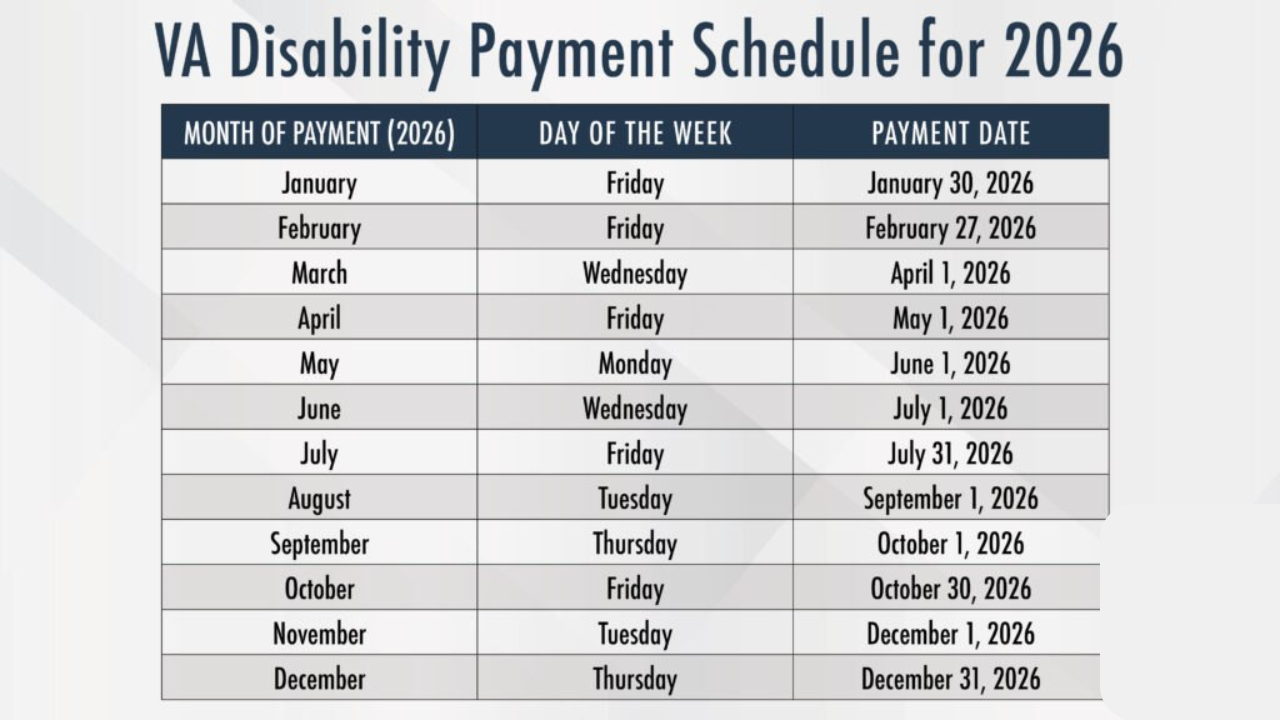
For millions of veterans across the United States, the start of a new year brings a highly anticipated financial update. As of January 2026, the Department of Veterans Affairs has implemented the latest Cost-of-Living Adjustment, ensuring that disability compensation keeps pace with inflation and economic shifts.2 This year, beneficiaries will see a confirmed increase of 2.8 percent in their monthly payments.3 This adjustment reflects the broader economic landscape and is designed to help veterans maintain their purchasing power amidst rising costs for goods and services.4
Understanding the 2026 COLA Increase
The 2026 Cost-of-Living Adjustment (COLA) of 2.8 percent officially went into effect on December 1, 2025, meaning the first checks reflecting this new amount are distributed in January 2026.5 This percentage is determined by the Social Security Administration and is tied to the Consumer Price Index for Urban Wage Earners and Clerical Workers (CPI-W).6 While this increase is modest compared to the historic jumps seen a few years prior, it remains a vital boost for veterans relying on these tax-free benefits to support themselves and their families. The increase applies automatically, meaning veterans do not need to file any new paperwork to receive their updated compensation.7
Pay Rates for 10% and 20% Disability Ratings
Veterans with a disability rating of 10 percent or 20 percent receive a fixed monthly amount regardless of their dependent status.8 These lower-tier ratings are intended to compensate for service-connected conditions that, while impactful, do not completely prohibit employment or daily functioning to a severe degree. For 2026, the monthly payment for a 10 percent rating has risen to approximately $180.42, while the 20 percent rating now pays out $356.66.9 It is important to note that for these two specific rating levels, the VA does not provide additional allowances for spouses, children, or dependent parents.10
Compensation for 30% to 60% Ratings
Once a veteran reaches a disability rating of 30 percent or higher, the compensation structure becomes more dynamic.11 At these levels, the VA allows veterans to add eligible dependents to their award, which significantly increases the monthly payout. A veteran with a 30 percent rating who is single with no dependents will now receive a base rate of $552.47.12 However, if that same veteran has a spouse and one child, the payment increases to reflect the added financial responsibility. This tiered system ensures that those with larger families or more severe disabilities receive proportionate support.
| Disability Rating | Veteran Alone | Veteran + Spouse | Veteran + Spouse + 1 Child |
| 30% | $552.47 | $617.47 | $666.47 |
| 40% | $795.84 | $882.84 | $947.84 |
| 50% | $1,132.90 | $1,241.90 | $1,322.90 |
| 60% | $1,435.02 | $1,566.02 | $1,663.02 |
| 70% | $1,808.45 | $1,961.45 | $2,074.45 |
| 80% | $2,102.15 | $2,277.15 | $2,406.15 |
| 90% | $2,362.30 | $2,559.30 | $2,704.30 |
| 100% | $3,938.58 | $4,158.17 | $4,318.99 |
High-Level Compensation for 70% to 100% Ratings
Veterans with ratings between 70 percent and 100 percent often face significant challenges in their daily lives and employment capabilities. Consequently, the financial jumps between these tiers are substantial. The 100 percent rating, often referred to as “total disability,” sees the most dramatic increase in dollar value from the COLA adjustment.13 A single veteran with a 100 percent rating will now receive a base amount of $3,938.58 per month.14 This category also opens the door to additional benefits, such as property tax exemptions in many states and enhanced educational benefits for dependents, making the accurate calculation of this rate crucial for long-term financial planning.
Additional Allowances for Dependents
For veterans rated 30 percent and higher, adding dependents is a critical way to maximize benefits.15 The 2026 chart includes specific add-on amounts for each additional child under the age of 18, children between 18 and 23 who are in school, and dependent parents.16 For example, adding a child under 18 to a 100 percent disability award adds roughly $109.11 per month to the total payment.17 Furthermore, veterans with a spouse who requires regular Aid and Attendance due to a medical condition can qualify for an even higher monthly stipend.18 It is essential to keep the VA updated on any changes in family status, such as marriage, divorce, or the birth of a child, to ensure payments are accurate.
Verifying Your New Rate
While the COLA increase is automatic, veterans should always verify that their direct deposit reflects the correct new amount.19 You can check your current benefit rate by logging into the official VA.gov portal or the VA mobile app. These platforms provide a breakdown of your benefit letter, showing your gross payment and any deductions. If the amount deposited in January does not match the expected 2026 figures, or if a dependent is missing from the calculation, it is advisable to contact the VA immediately to rectify the error and request a retroactive payment if necessary.
Maximizing Your Benefits in 2026
The new 2026 pay chart represents more than just a numbers update; it is a reminder to review your overall claim file. Many veterans find that their conditions have worsened over time, potentially qualifying them for a higher rating than they currently hold. With the new rates in effect, the financial difference between a 80 percent and a 90 percent rating is more significant than ever. If you believe your service-connected disabilities have progressed, 2026 might be the right time to consult with a Veterans Service Officer (VSO) to discuss filing for an increase, ensuring you are receiving the full measure of compensation you have earned through your service.

Frequently Asked Questions
When will I receive my first payment with the 2026 increase?
The 2026 rates are effective starting December 1, 2025.20 Since the VA pays benefits in arrears (at the end of the month for the previous month), you will receive your first check with the new amount on or around January 1, 2026.21
Do I need to apply for the 2026 COLA increase?
No, the Cost-of-Living Adjustment is automatic. The VA updates your payment amount in their system without any action required from you, provided your disability rating and direct deposit information remain current.22
What is the confirmed COLA percentage for 2026?
The confirmed Cost-of-Living Adjustment for 2026 VA disability payments is 2.8 percent.23 This percentage increase applies to all disability ratings, dependency and indemnity compensation (DIC), and special monthly compensation (SMC).24
disclaimer
The content is intended for informational purposes only. you can check the officially sources our aim is to provide accurate information to all users.