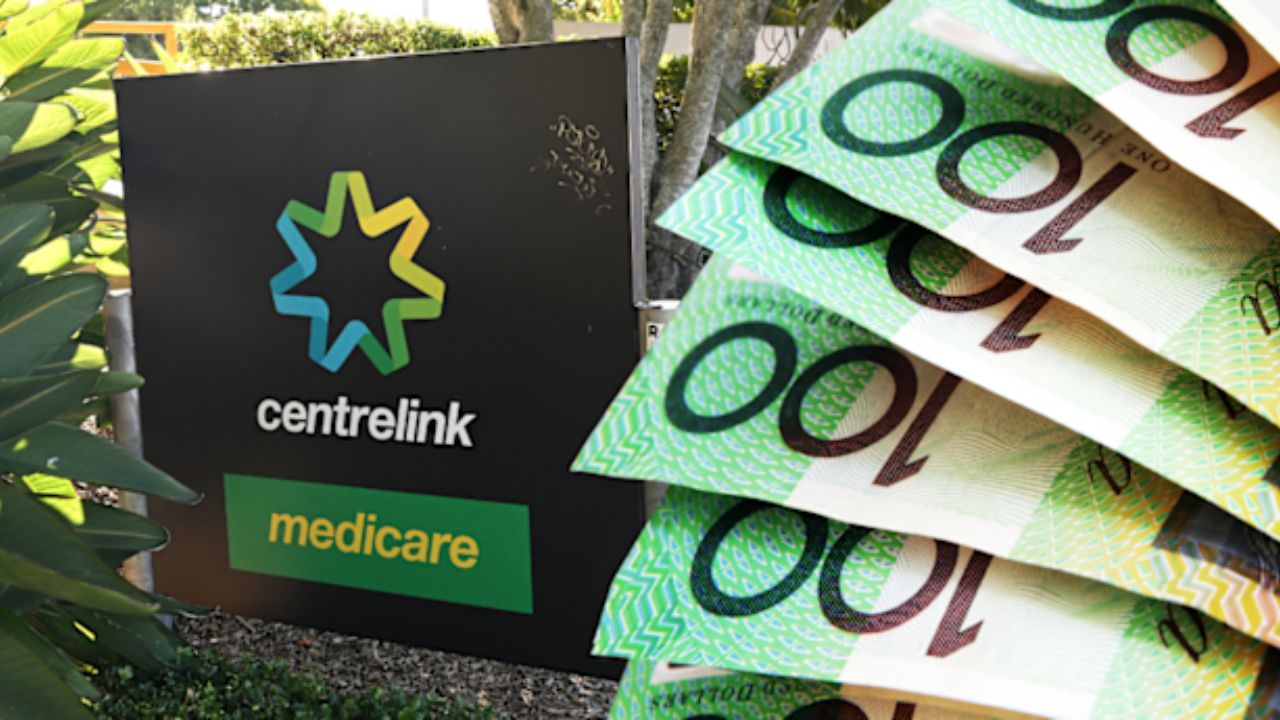
As the calendar turns to 2026, a significant wave of financial relief is washing over the nation, specifically targeting students, apprentices, and carers.1 In a timely move to combat the persistent cost-of-living pressures, the federal government has confirmed that over one million Australians will see an increase in their social security payments.2 This boost, effective from January 1, 2026, comes as a welcome respite for many households grappling with high rents and grocery prices.3 While the increases are part of the routine indexation cycle, the extra dollars landing in bank accounts this fortnight are more crucial than ever for those balancing study, training, and care duties.
Who Is Receiving the Financial Lift?
The primary beneficiaries of this latest round of indexation are younger Australians and unpaid carers, demographics often hit hardest by inflationary spikes.4 The changes specifically apply to recipients of Youth Allowance, Austudy, and ABSTUDY.5 This covers university students, TAFE participants, and apprentices who are often operating on extremely tight budgets. Additionally, the boost extends to the Carer Allowance, providing extra support to those who dedicate their lives to looking after family members or friends with disabilities or medical conditions.6 Unlike the broader pension increases seen in March and September, this January update is laser-focused on the youth and education sectors, acknowledging the unique financial strain faced by the next generation of workers.
Breakdown of the Dollar Figures
For many, the most important question is: how much extra cash will I actually get? The figures released by the Department of Social Services confirm a noticeable bump. For a single person receiving Youth Allowance who lives away from home—a common scenario for university students moving for their studies—the maximum fortnightly rate has risen to $684.20.7 This represents an increase of $13.90 per fortnight.8 While this might seem modest in isolation, over the course of a year, it adds up to over $360 in additional income. Carers are also seeing their payments adjust upwards, with the Carer Allowance rising to $162.60 per fortnight.9 These adjustments are calculated to help preserve the purchasing power of welfare payments against the backdrop of inflation.
Understanding the Mechanics of Indexation
It is important to understand that these increases are not a random “bonus” but a calculated adjustment known as indexation.10 Australia’s social security system is designed to keep pace with the economy.11 Twice or four times a year, depending on the payment type, rates are reviewed and adjusted based on the Consumer Price Index (CPI).12 This ensures that as the price of bread, milk, and rent goes up, the support payments rise in tandem. This January 2026 adjustment reflects the inflation data from the latter half of 2025. While advocates often argue that indexation alone is not enough to lift people out of poverty, it remains a critical mechanism to prevent the real value of these payments from sliding backwards.
Changes to Income Thresholds
Beyond the direct cash increase, there is another “hidden” benefit in this update: the raising of income thresholds.13 The “income free area”—the amount a recipient can earn from a part-time job before their Centrelink payment starts getting reduced—has also been indexed. This is excellent news for students and apprentices who work casual shifts in retail or hospitality. It means they can now earn slightly more money from their employment without being penalized on their government payments. This dual benefit of higher payments and higher earning limits is designed to encourage workforce participation without stripping away necessary support.
Comparative Data on Payment Increases
To make these changes easier to digest, the following table outlines the key shifts in payment rates for the major affected categories. Please note that these figures represent the maximum basic rates and individual circumstances may vary.
| Payment Type | Recipient Category | New Fortnightly Rate | Increase Amount |
| Youth Allowance | Single, living away from home | $684.20 | +$13.90 |
| Carer Allowance | Standard Rate | $162.60 | +$3.30 |
| Austudy | Single, no children | $684.20 | +$13.90 |
| Youth Allowance | Single, living at home (18+) | $482.40 | +$10.20 |
The Bigger Picture: Cost of Living Context
While the cash boost is positive news, it lands in a complex economic landscape. January 2026 also marks the end of certain energy rebate schemes that were active throughout 2025, meaning households must be more vigilant than ever with their budgeting.14 The increase in Centrelink payments is essentially playing catch-up with the soaring rental market, which has seen prices in capital cities like Sydney and Melbourne reach historic highs. For a student paying $350 a week for a room in a share house, an extra $14 a fortnight is helpful, but it doesn’t solve the structural issue of housing affordability. Recipients are advised to view this boost as a buffer rather than a windfall, utilizing the extra funds to cover essential bills or build a small emergency savings pot.
How to Claim Your Boost
The best news for recipients is that there is absolutely no red tape involved in receiving this extra money. You do not need to fill out new forms, call the often-busy Centrelink phone lines, or visit a service center. Services Australia automatically applies the indexation rates to your file. The increase will appear in your first full payment cycle that falls after January 1, 2026. If your payment date is very early in January, you might see a pro-rata amount (part old rate, part new rate) for that specific fortnight, with the full new rate appearing in the subsequent payment. Recipients are encouraged to check their Centrelink app or myGov inbox for letters detailing their specific new rates.
Future Outlook for 2026
This January boost is just the beginning of the welfare calendar for 2026. The next major update is scheduled for March 20, which will see indexation applied to the Age Pension, Disability Support Pension, and JobSeeker payments. Those recipients will have to wait a few more months to see their rates adjust to inflation. For now, the focus is squarely on supporting the nation’s students and carers. As the year progresses, all eyes will be on the federal budget in May to see if further structural changes or one-off supplements will be introduced to assist vulnerable Australians further.

FAQs
Q1: Do I need to apply to get the rate increase?
No, the increase is automatic. Services Australia updates your payment rates in their system, and you will see the higher amount in your next scheduled payment after January 1, 2026.
Q2: Does this increase affect Rent Assistance?
Rent Assistance is indexed separately, usually in March and September. However, if you receive Youth Allowance or Austudy, your overall payment total will rise due to the base rate increase described in this article.
Q3: I am on JobSeeker, why didn’t my payment go up?
JobSeeker payments are indexed on a different schedule. Your payment rates are set to be reviewed and potentially increased on March 20, 2026, and again in September.
Disclaimer
The content is intended for informational purposes only. you can check the officially sources our aim is to provide accurate information to all users