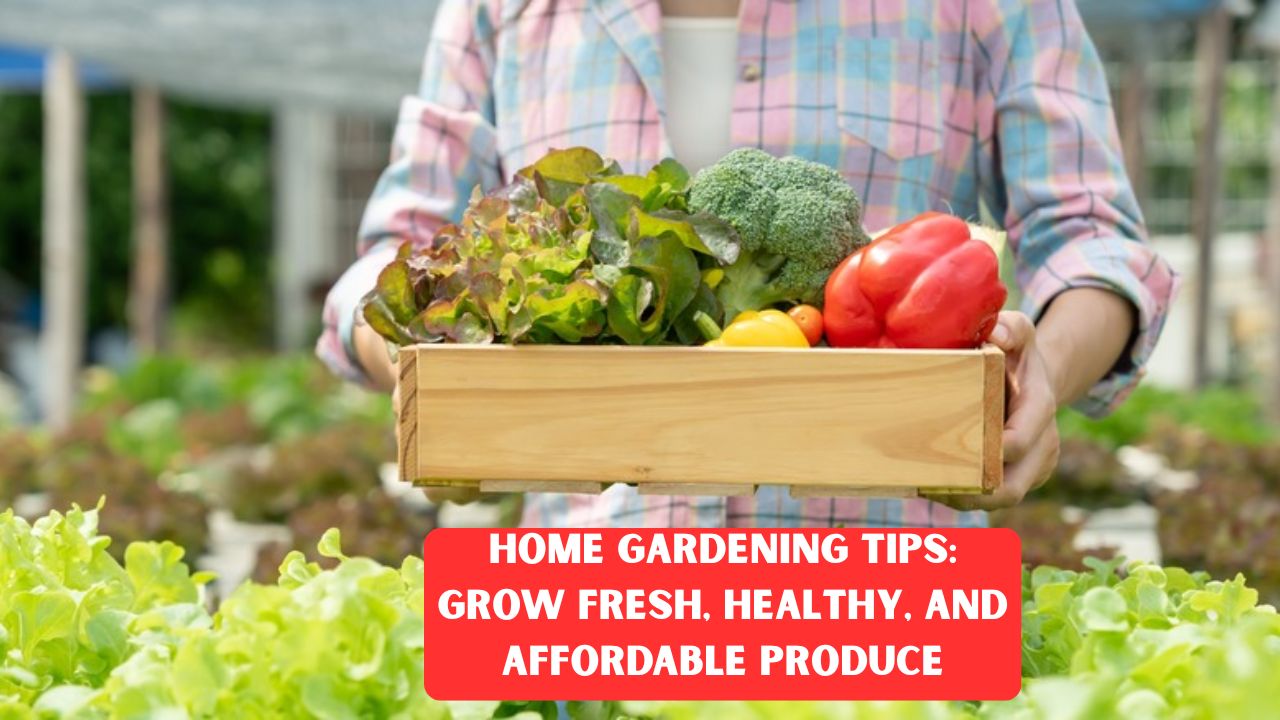
The resurgence of home gardening is more than just a passing trend; it is a movement toward self-sufficiency, physical wellness, and financial savvy. Stepping into your backyard or onto your balcony to harvest ingredients for dinner offers a sense of accomplishment that a grocery store trip simply cannot match.1 Beyond the psychological rewards, growing your own food ensures that your family consumes produce free from commercial pesticides and long-haul transportation exhaustion.2 By mastering a few fundamental techniques, anyone can transform a small patch of earth into a high-yielding sanctuary of nutrition.
Selecting the Ideal Location and Soil Preparation
The success of your garden begins long before the first seed is planted. Most vegetables require at least six to eight hours of direct sunlight to photosynthesize effectively and produce high yields.3 When choosing a spot, observe how shadows move across your yard throughout the day. Equally important is the foundation of your garden: the soil.4 Healthy soil is a living ecosystem.5 Instead of relying on synthetic fertilizers, focus on enriching your ground with organic compost, aged manure, or leaf mulch.6 This improves the soil structure, allowing for better water retention and aeration, which prevents root rot and encourages deep, vigorous growth.7
Strategic Planning for Maximum Yield
One of the most common mistakes novice gardeners make is planting too much too soon. A small, well-maintained plot is far more productive than a large, weed-choked field. Utilize “Square Foot Gardening” or intensive planting methods to make the most of limited space.8 This involves grouping plants with similar water and light needs together. Additionally, consider vertical gardening for vine-based crops like cucumbers, pole beans, and peas.9 By training these plants to grow upward on trellises or A-frames, you save valuable ground space for leafy greens and root vegetables, effectively doubling your harvest area.
Efficient Water Management and Irrigation
Water is the lifeblood of your garden, but consistency is more important than quantity. Shallow, frequent watering encourages weak, surface-level roots that wither during heatwaves.10 Instead, aim for deep, infrequent sessions that soak the soil several inches down. This encourages roots to dive deep, making the plants more resilient. The best time to water is early morning, which allows leaves to dry before nightfall, reducing the risk of fungal diseases.11 Using mulch—such as straw or wood chips—around the base of your plants acts as an insulating blanket, keeping the soil cool and significantly reducing moisture evaporation.12
Essential Vegetable Planting Guide
To help you decide what to grow, it is vital to understand the timing and spacing requirements of common crops. The following table provides a quick reference for some of the most popular and “beginner-friendly” home-grown vegetables.
| Crop Name | Best Planting Season | Sunlight Req. | Days to Harvest |
| Tomatoes | Late Spring | Full Sun | 60–90 Days |
| Lettuce | Early Spring / Fall | Partial Shade | 30–45 Days |
| Zucchini | Summer | Full Sun | 45–60 Days |
| Carrots | Spring / Early Fall | Full Sun | 70–80 Days |
| Radishes | Spring / Fall | Full Sun | 20–30 Days |
| Bell Peppers | Late Spring | Full Sun | 70–90 Days |
Natural Pest Control and Companion Planting
Rather than reaching for harsh chemical sprays that can harm beneficial pollinators like bees and butterflies, embrace the wisdom of companion planting. This ancient technique involves placing specific plants near each other to deter pests or improve growth.13 For example, planting marigolds among your tomatoes can help repel harmful nematodes and aphids. Similarly, basil planted near peppers can improve the flavor of the crop and confuse pests with its strong aroma.14 Encouraging “good bugs” like ladybugs and lacewings into your garden creates a natural checks-and-balances system that keeps the destructive insect population under control without compromising food safety.15
Cost-Effective Gardening on a Budget
One of the primary goals of home gardening is to save money, but startup costs can sometimes be high if you aren’t careful. To keep your garden affordable, start your plants from seeds rather than buying expensive “starts” or seedlings from a nursery. You can also repurpose household items for your garden; egg cartons make excellent seed starters, and old yogurt containers can be turned into pots with a few drainage holes.16 Additionally, making your own “compost tea” or using kitchen scraps to create a compost pile eliminates the need for store-bought plant food. Over time, the seeds you save from your own harvest can be replanted, making your garden a self-sustaining cycle.17
Harvesting and Extending Your Season
Knowing exactly when to pick your produce is an art form that maximizes both flavor and nutrition.18 Most vegetables are at their peak just before they reach full size; for instance, zucchinis are more tender when small, and greens become bitter if left to bolt in the heat. To keep the harvest going as long as possible, practice “succession planting.” Instead of planting all your lettuce at once, plant a small row every two weeks. This ensures a steady supply of fresh food rather than an overwhelming surplus all at once. As the weather cools, use row covers or cold frames to protect late-season crops from frost, allowing you to enjoy fresh salads well into the autumn months.

FAQs
Q1 What are the easiest vegetables for a complete beginner to grow?
Radishes, lettuce, and green beans are excellent choices because they germinate quickly, have few pest problems, and can be harvested in a relatively short timeframe.
Q2 How do I know if my soil is healthy enough for planting?
You can perform a simple “squeeze test.” If moist soil crumbles easily when squeezed, it has good tilth. If it forms a hard ball, it has too much clay; if it falls apart instantly, it has too much sand. Adding organic compost fixes both issues.
Q3 Can I grow vegetables if I don’t have a backyard?
Absolutely. Many vegetables, such as cherry tomatoes, herbs, and peppers, thrive in containers on a balcony or sunny windowsill.20 Just ensure your pots have adequate drainage holes.
Disclaimer
The content is intended for informational purposes only. you can check the officially sources our aim is to provide accurate information to all users