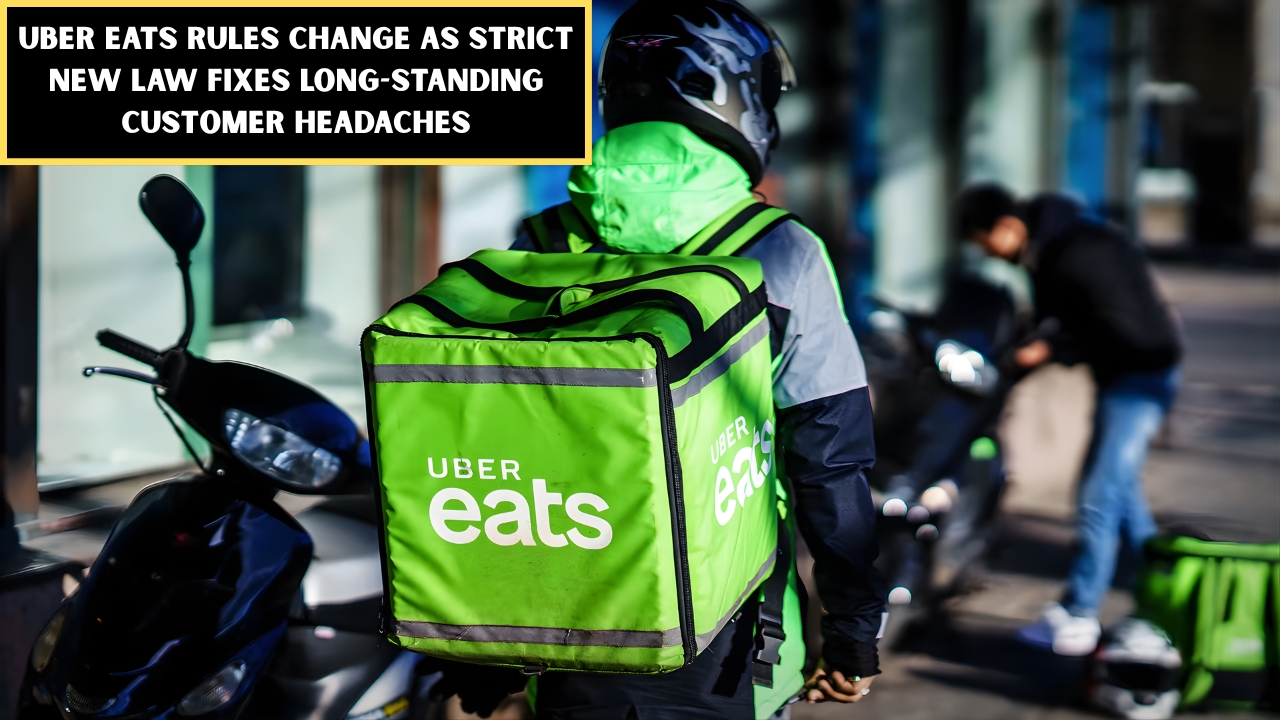
When you have ever looked at a cold, incorrect, or missing order of dinner and instead of being given the desired meal, a chatbot has offered you $5 in Uber Cash, your anger has not gone unnoticed by the lawmakers. By January 1, 2026, a new and tough piece of consumer law, Assembly bill 578, has already come into effect in California effectively transforming the regulations under which the food delivery applications of Uber Eats, DoorDash and Grubhub are to operate. The two largest issues addressed in this law include the impossibility of obtaining a refund in reality and the inadequacy of being able to communicate with a human being when problems arise in the gig economy. Although these changes are a state-specific requirement at the present, according to industry experts, these changes will probably be implemented across the nation because platforms will not be able to support two different systems.
Cash Refunds Have Become Compulsory
The biggest consumer benefit to consumers in the new 2026 rule is the prohibition of forced store credit. Until recently, in the event that an order was received spoiled or not received at all, apps would automatically refund the user in the form of credits only redeemable within their own platform, in effect locking your money into their system. With the new legislation, in case of an order being missing or markedly wrong, the site should provide a complete refund to your initial payment method (i.e., credit card, PayPal, or debit card). This refund shall cover the entire food, taxes and tips. There is no longer a need to be pressured into taking what is being offered as app cash when the service was not rendered.
The “Talk to a Human” Mandate
The new demand of customer service accessibility could be even more relaxing than the cash refund. Money disputes have been prohibited by the outlawing of the so-called doom loop of automated chatbots that dispute refunds. The legislation requires that the delivery platforms should have a live human customer service agent who will address any refund requests. It can be either through a live chat feature which literally links to a human being or a telephone line, customers now have the opportunity to circumvent the otherwise automated rejection algorithms which left thousands of users with no money and hungry.
Drivers and Tippers Transparency
The law does not only safeguard the individual having the food, but safeguard the individual bringing the food. The new regulations are a crackdown on the absorption of tips that make sure that 100% of the tip you leave becomes the driver and is unable to balance the base pay that is being given by the company. Also, the apps now have to offer a more detailed, itemized list of charges at checkout. This transparency should eradicate the confusion of the junk fee where one gets to know that the price of a 15 dollar burger has been inflated to a 35 total price without being told what happened to the 20 dollar increment.
Will This Come to Your State?
AB 578 is a California law but the effect is likely to be felt throughout the country. Traditionally, the tech giants tend to implement the changes nationwide when California establishes stringent digital definitions (such as the CCPA on data privacy) to streamline their engineering and support functions. It is common knowledge that Uber Eats and competitors will later harmonize these “Human Support” and “Cash Refund” services to all the US users to not be publicly backlashed in other states. At least, according to the law, so far the guarantee is limited to those orders that are made within the jurisdictions of California.
New 2026 Delivery Rules Snapshot
| Feature | Old Rule (Pre-2026) | New Rule (Jan 1, 2026) |
| Refund Method | Often restricted to “App Credit.” | Original Payment Method (Cash/Card) required. |
| Customer Support | Automated Chatbots / AI. | Live Human Agent required for refunds. |
| Refund Coverage | often partial or excluding fees. | Full Refund (Food + Tax + Tip) for failed orders. |
| Driver Tips | Vague allocation. | 100% to Driver (cannot offset base pay). |

Frequently Asked Questions (FAQs)
1. Is this law applicable to all states?
Presently, the Assembly Bill 578 is program-specific to California. Nevertheless, since these apps are national, you can find these capabilities (such as the possibility of a cash refund) in your app, no matter your place of residence, as companies revise their systems.
2. Is it possible to refund in case I simply did not like the food?
No. The law safeguards consumers in case of mistakes and failures, including omissions of items or wrong order, or even the lack of food delivery. It does not compel businesses to give back your money on issues of taste or in case you have simply changed your mind.
3. Its human agent feature is not available to me.
Under the help section of the Uber Eats app, when you can not have the automated assistant solve a refund request due to a lost/incorrect order, now it will have an option to simply say Chat with Support or Request a Call and be connected with an actual person.
Disclaimer
This material is only informative. you can verify the officially sources our intention is to present the correct information to the users. These sources are the California State Legislature and consumer protection summits.